Research Guides
A Certificate of Analysis, usually shortened to CoA, is the one document that tells you what's actually in a vial rather than what the label claims. For research buyers sourcing peptides into the UAE, Saudi Arabia or anywhere else in the Gulf, it's the single most useful thing to check before an order is confirmed — and it's also the easiest document to fake or reuse carelessly. This guide walks through what a proper CoA contains, how to read the numbers on it, and the questions worth asking a supplier before you rely on one.
What a Certificate of Analysis Actually Shows
A genuine CoA is produced per batch, not per product line. That distinction matters more than anything else on the page. A document that applies to "Retatrutide 30mg" in general, with no batch reference, isn't a Certificate of Analysis — it's a spec sheet. A real one is tied to a specific manufacturing run and should include:
- Batch or lot number — unique to that production run, and matching the label on the vial you receive
- Purity percentage — typically measured by HPLC (high-performance liquid chromatography)
- Identity confirmation — usually mass spectrometry, confirming the molecule is what it claims to be, not just that it's "pure"
- Appearance and solubility — a basic physical check against expected specification
- Storage conditions — the temperature range the compound was validated for
- Issuing lab and date — who tested it, and when
Purity Percentage: What's Normal, What's Not
Most legitimate research-grade peptides test above 98%, with many premium batches reaching 99%+. The number alone tells you less than how it was produced. HPLC purity is calculated from the area under the main peak relative to total peak area in the chromatogram — it's a measure of how much of the sample is the target compound versus leftover synthesis byproducts, not a measure of concentration or dosage accuracy.
A purity figure with no chromatogram, no batch number and no named testing lab behind it is a marketing claim, not a result. Ask for the underlying document, not just the percentage on a product page.
Matching the Batch Number to What's in Your Hand
This is the step most buyers skip. Every shipment should arrive with a vial label that corresponds to the batch number printed on its CoA. If the numbers don't match — or if the same CoA gets sent out for every order regardless of which batch was actually shipped — that document isn't doing its job. It takes thirty seconds to check and it's the difference between a CoA that means something and one that's decoration.
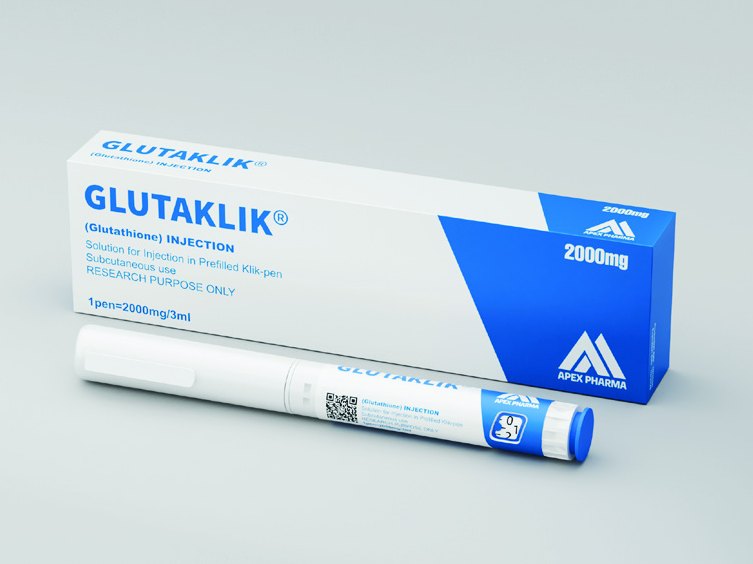
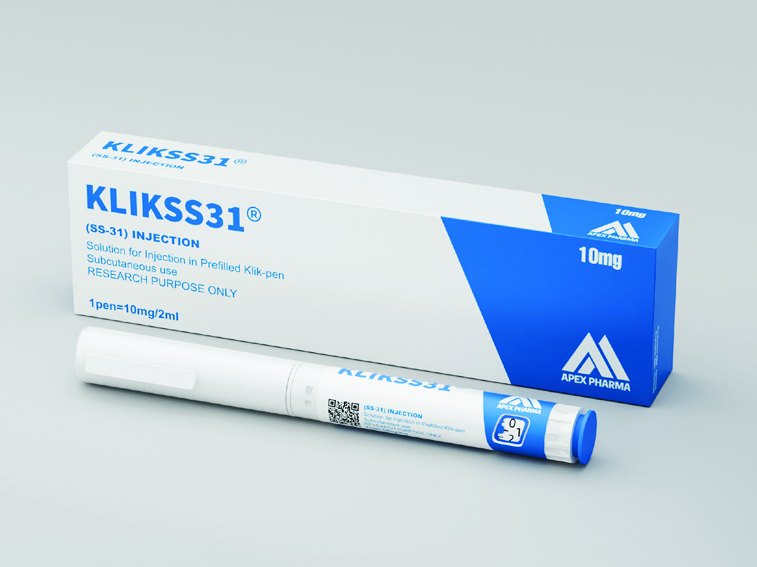
A few of our research compounds
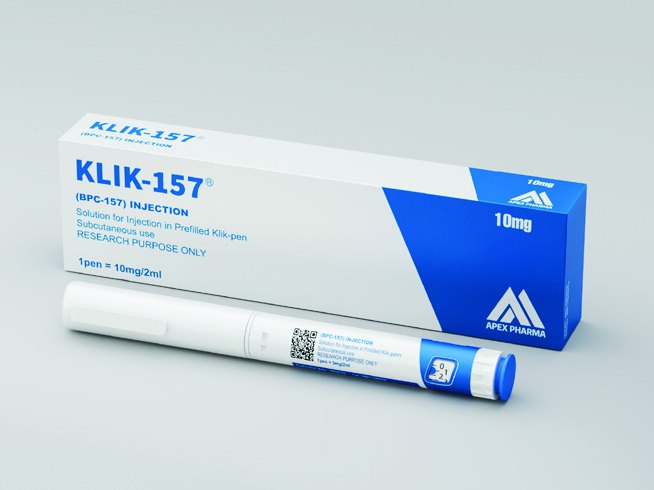
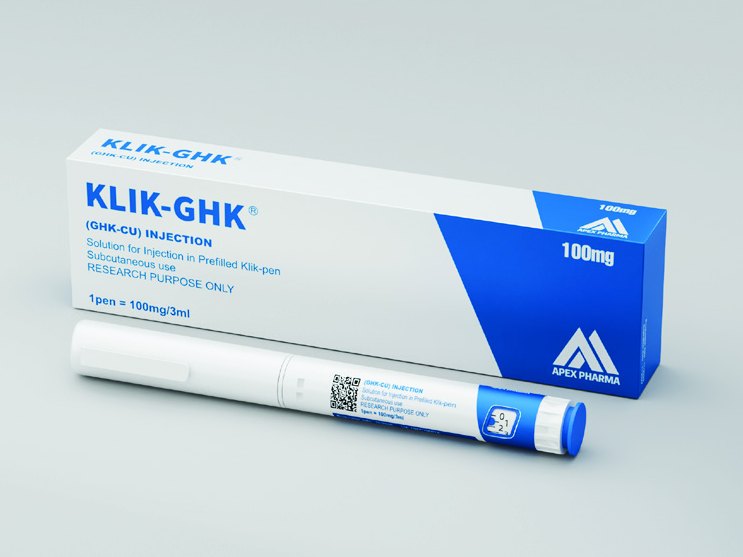
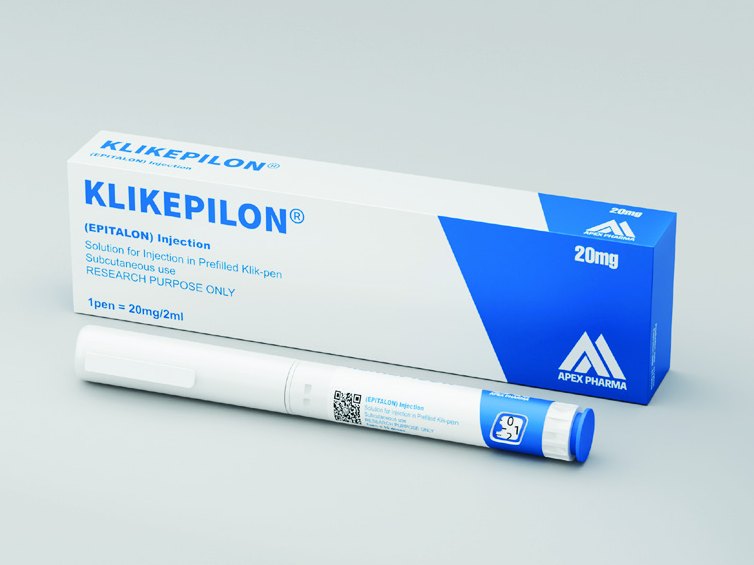
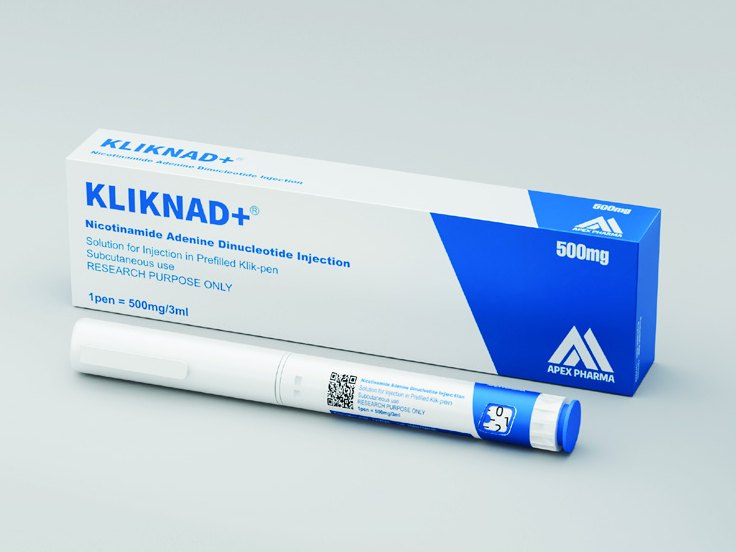
Here's a quick look at some of what we carry — see the full product range →
HPLC vs Mass Spec: Why You Want Both
HPLC tells you how clean the sample is. It doesn't, on its own, confirm what the sample actually is — a highly pure sample of the wrong molecule would still post a strong purity number. Mass spectrometry (MS) confirms molecular identity by weight, which is why a thorough CoA pairs the two: HPLC for purity, MS for confirmation that the peptide is what the label says.
Questions Worth Asking Before You Order
- Is this CoA specific to the batch being shipped, or a standard template reused across orders?
- Was testing done by an independent third-party lab, or in-house?
- Can the document be provided before payment, not only after?
- Does the batch number on the CoA match the number that will be printed on the vial?
A supplier that hesitates on any of these is telling you something useful.
How Peptivia DBX Handles Documentation
Batch-specific Certificates of Analysis are provided on request before order confirmation, across the UAE, Saudi Arabia, Qatar, Kuwait, Bahrain and Oman. Every product page carries a Request CoA option through WhatsApp — ask for the document tied to the batch being shipped, not a general one, and check the numbers against what arrives.
| Compound | Category | Documentation |
|---|---|---|
| Retaklik (Retatrutide) | Weight Management | Batch CoA on request |
| Klikjaro (Tirzepatide) | Weight Management | Batch CoA on request |
| Kliktropin | Growth Hormone Research | Batch CoA on request |
| Klik-PT141 | Hormone Support | Batch CoA on request |
View the full catalogue of 46 compounds →
Frequently Asked
Is a CoA the same as a prescription or import license?
No. A Certificate of Analysis documents the purity and identity of a specific research batch. It has no bearing on import regulations, which vary by country and should be checked independently before ordering.
Can I request a CoA before paying?
Yes — use the Request CoA option on any product page to ask for the batch-specific document before an order is confirmed.
What if the batch number on my vial doesn't match the CoA I was sent?
Flag it immediately with whoever supplied it. A mismatch means the document you were given doesn't actually describe what you received.